
It seems like your message might be incomplete or cut off. Could you please clarify what you're asking for? Whether it's a question, a request for help, or something you'd like me to assist with, I'm here to help! 😊
Roblox's launch of its License Manager platform marks a significant evolution in how user-generated content (UGC) and intellectual property (IP) intersect within the gaming ecosystem. By enabling "eligible creators" to legally integrate branded assets from major franchises—such as Squid Game, Stranger Things, Twilight, Saw, Yakuza, and Like a Dragon—Roblox is democratizing access to high-profile IPs that were once largely reserved for big-budget studios.
The move represents a strategic shift from the traditional, gatekept model of IP licensing—often involving lengthy negotiations, legal hurdles, and exclusivity deals—toward a more open, scalable, and revenue-sharing-driven system. This "open-source-style" model allows fans and independent developers to co-create experiences with beloved franchises, fostering innovation while giving rights holders greater control and visibility over how their IP is used.
Key highlights of the new system include:
- Dual Licensing Pathways: IP can be licensed either via direct application to existing experiences or through the new Licenses Catalog, where creators can browse, explore, and apply for approved assets.
- Flexible Monetization: Rights holders can choose from various models—revenue sharing, usage monitoring, or even simple approval—giving them flexibility in how they engage with the community.
- Proactive IP Enforcement: The ability to "proactively scan experiences" for unauthorized IP usage signals a move toward automated oversight, which could help prevent piracy but also raise concerns about overreach and censorship, particularly in fan-made content.
- Scalable Ecosystem Growth: With major partners like Netflix, Lionsgate, and Sega already on board, Roblox is positioning itself as a central hub for IP-driven UGC, potentially attracting more creators and players.
However, this progress comes amid growing scrutiny. Just days after announcing the License Manager, Roblox faced backlash over The Hatch, a massive Easter Egg hunt event that brought in 1,000 developers and attracted millions of players. While Roblox marketed it as a landmark event, a significant portion of the community responded with a #BoycottTheHatch campaign on social media. Players cited concerns over child safety, inappropriate content, and platform moderation, particularly in relation to the event's open, unmoderated nature.
This contradiction—celebrating creative collaboration with major IPs while facing criticism over safety and content control—highlights a growing tension in Roblox’s ecosystem:
Can a platform truly empower creators and license blockbuster IPs while also ensuring a safe, age-appropriate environment for millions of young users?
Roblox’s challenge now lies in balancing these dual ambitions:
- On one hand, expanding creative freedom and revenue opportunities through partnerships with powerful media brands.
- On the other, addressing legitimate concerns about oversight, accountability, and the long-term impact of unregulated UGC.
As more IPs join the License Manager platform throughout the year, Roblox will need to demonstrate not just technical innovation, but also ethical stewardship—ensuring that the tools designed to empower creators don’t inadvertently enable harm.
For now, the message is clear: Roblox is no longer just a sandbox for kids. It’s becoming a global content marketplace—where Hollywood meets indie dev, and where every new license comes with both promise and peril.
-
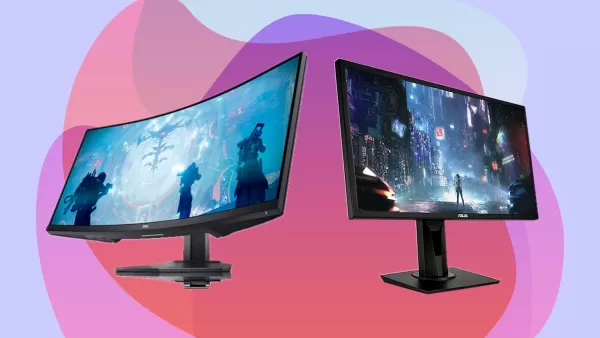 Un monitor de juegos es la piedra angular de cualquier configuración seria. Incluso con un PC gaming de alto rendimiento, tu pantalla determina finalmente cómo se traduce visualmente ese poder. Con innumerables marcas y modelos disponibles, cada unoAutor : Anthony May 11,2026
 -
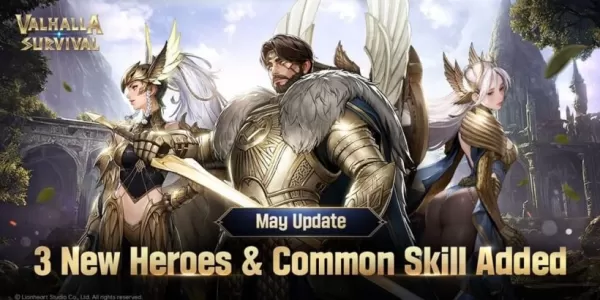 Valhalla Survival presenta tres nuevos héroes jugables Mani, Idis y Sol ya están disponibles e incluyen una nueva habilidad de Ballesta La última actualización añade el modo Pesadilla, una incursión contra jefe y diversos ajustes mecánicos Si hasAutor : Violet May 09,2026
-
 4 Fotos 1 PalabraDescargar
 -
 Slots 777 Winner - Casino GameDescargar
 -
 CricVricDescargar
 -
 Brasileiro Série B CalculatorDescargar
 -
 BetwayDescargar
 -
 Survival 456 But It's ImpostorDescargar
 -
 Bá Vương CLUBDescargar
 -
 Catenaccio Football ManagerDescargar
 -
 The White CrocodileDescargar
 -
 Belote ScoreDescargar






- STALKER 2: Heart of Chornobyl - Todos los finales (y cómo conseguirlos)
- Metáfora: ReFantazio - Guía completa de bonos
- Sugerencias y respuestas de NYT: Guía para el 10 de enero de 2025
- El RPG steampunk Eldgear presentado por KEMCO
- Descubra los artefactos en Stalker 2: ubicaciones y adquisición
- Hongo ¡Vamos! Lanza una aventura de mazmorra cooperativa para los fanáticos de los hongos
-
1Guía definitiva de aplicaciones de belleza: reseñas y recomendaciones
-
2Los mejores juegos de acción para Android
-
3Los mejores juegos multijugador competitivos en Android
-
4Latest News & Magazines Apps for Android
-
5Juegos casuales divertidos para todos
-
6Compras inteligentes: consejos y trucos para ahorrar dinero