It seems you might be starting a thought or story — perhaps about a character, a moment, or an idea involving a journey, a revelation, or a turning point? Could you clarify what you'd like to explore or create? I'm here to help with writing, brainstorming, storytelling, or even developing a narrative arc. Let me know how I can assist! 🌟
Roblox's introduction of the License Manager platform marks a significant evolution in how user-generated content (UGC) and intellectual property (IP) intersect within the gaming ecosystem. By enabling "eligible creators" to legally access branded assets from major franchises like Squid Game, Stranger Things, Twilight, Saw, Yakuza, and Like a Dragon, Roblox is democratizing IP licensing—traditionally a gatekept process dominated by large studios with legal teams and deep pockets.
Key Implications of the License Manager:
-
Lower Barriers to Entry: Independent creators can now build experiences featuring beloved IPs without fear of takedown or legal repercussions, fostering innovation and creativity across Roblox’s vast community.
-
Revenue-Sharing Models: Rights holders aren’t just granting access—they’re offering flexible monetization options. This shift toward a collaborative, open-source-like model empowers fans while ensuring IP owners receive fair compensation based on usage.
-
Proactive IP Enforcement: The ability to "proactively scan experiences" signals a dual-edged sword. While it offers IP holders greater control and visibility, it also raises concerns about over-enforcement, particularly against fan-made content that may be non-commercial and community-driven.
-
Transparency and Catalog Access: The new Licenses catalog allows creators to browse and apply for licenses transparently, streamlining what was once a fragmented, negotiation-heavy process.
-
Expansion of the Ecosystem: With major partners like Netflix, Lionsgate, and Sega already on board, Roblox is positioning itself as a central hub for licensed, high-quality, cross-media experiences—blending gaming, storytelling, and fandom.
Context: The Hatch Controversy
Just days before this announcement, Roblox faced backlash over The Hatch, a massive Easter egg hunt event that brought in 1,000 developers and millions of players. While marketed as a historic milestone, it sparked a #BoycottTheHatch campaign across social media.
Players expressed deep concerns about:
- Inadequate safety controls in large-scale events.
- Exposure to harmful content or behavior (e.g., inappropriate interactions, grooming risks).
- A perceived lack of accountability from Roblox leadership, especially in protecting younger users.
This backlash highlights a growing tension: as Roblox expands into licensed entertainment and larger-scale events, it risks alienating its core audience—parents and children—by prioritizing scale and monetization over safety and community trust.
Looking Ahead
Roblox’s License Manager is a bold move toward commercializing fan culture—turning nostalgia and fandom into viable, regulated experiences. But for the platform to succeed long-term, it must balance:
- Innovation and licensing opportunities
- Creator empowerment
- Player safety and ethical enforcement
The success of this initiative won’t just depend on how many licenses are granted—but whether Roblox can earn back trust after events like The Hatch, and ensure that its tools for IP integration don’t become instruments of surveillance or suppression.
Final Take:
Roblox is not just building games anymore—it’s building a licensed digital entertainment ecosystem. But with great power comes great responsibility. If the platform fails to protect its youngest users while licensing major IPs, it risks undermining its own foundation: a vibrant, safe, and creative community.
-
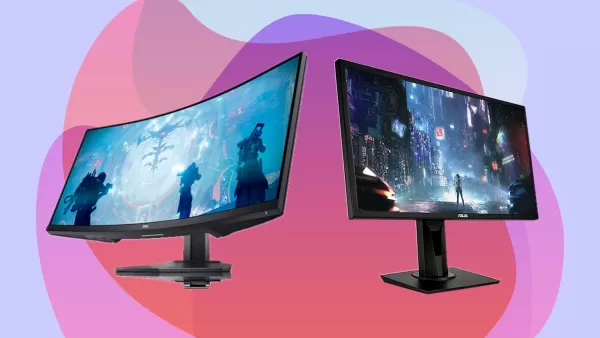 ゲーミングモニターは、本格的なゲーム環境の基盤です。高性能なゲーミングPCを持っていても、その性能を視覚的にどの程度引き出せるかは最終的にはディスプレイが決めます。数多くのブランドやモデルが存在し、それぞれが独自のスペックと機能を誇っている中、考慮すべき重要な要素には画面サイズ、リフレッシュレート、入力応答時間、そして表示解像度があります。価格は100ドル未満の予算 Friendly なオプションから2,000ドルを超えるプレミアムディスプレイまで幅広く展開されています。この多様な市場を攻略する著者 : Anthony May 11,2026
 -
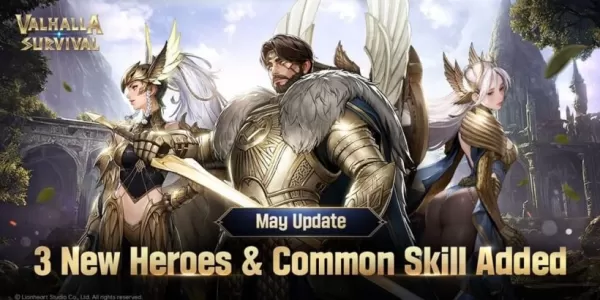 ヴァルハラ・サバイバルに3体の新規プレイヤブルヒーローが登場マニ、イディス、ソルが登場。新たにバルリストアスキルを搭載最新アップデートでネメシスモード、ボスラッシュ、さまざまなメカニクスの最適化が追加ライオンハート・スタジオのHack-and-Slash系Roguelike『ヴァルハラ・サバイバル』をプレイしている中で、新しいコンテンツに乏しかったあなたに朗報です。ライオンハートは、新たに3体のヒーローと新しいバルリストアスキルをリリースしました。新たに登場する3体のヒーローは以下の通りです。ま著者 : Violet May 09,2026